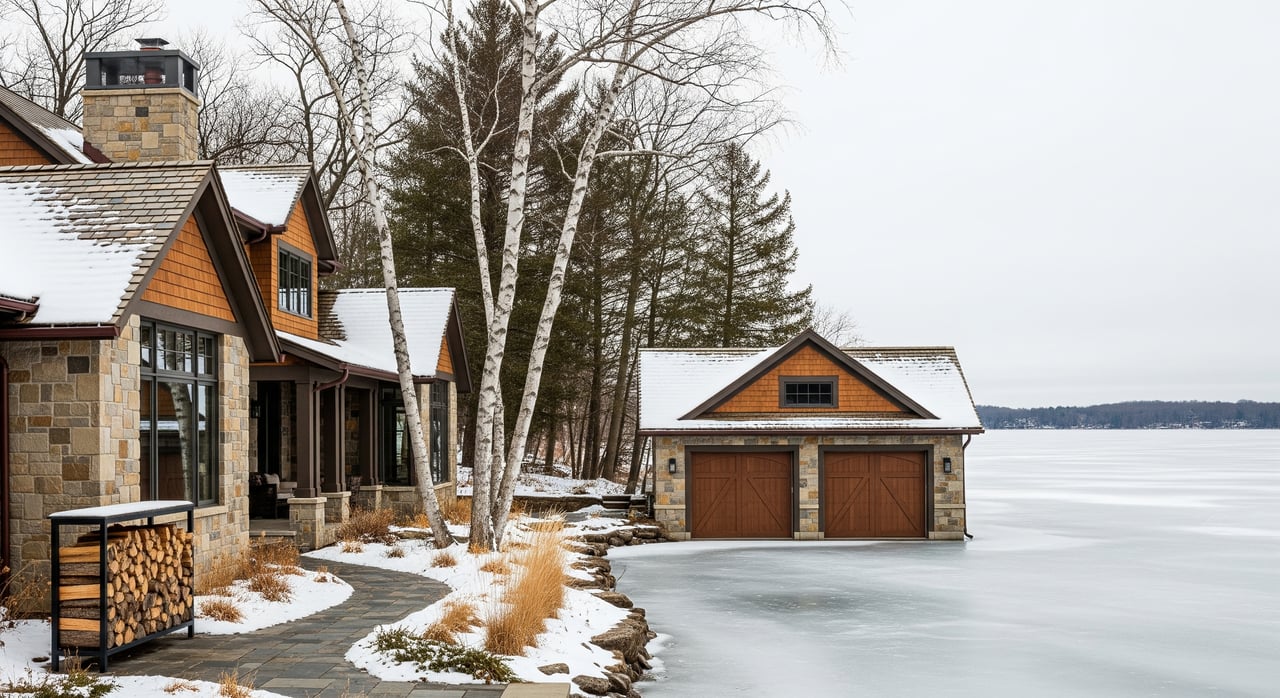
Worried about how your Orono lake home will handle the deep freeze? You are not alone. Between lake ice, heavy snow, and long cold snaps, winter can be tough on shoreline properties in Hennepin County. This guide walks you through a clear, local checklist to protect your pipes, roof, shoreline, and dock, plus a simple timeline to get it all done on time. Let’s dive in.
Why winterizing in Orono matters
Orono sees prolonged sub-freezing temperatures, frequent snow, and regular freeze–thaw cycles. Lakefront homes face added risks from ice movement, shoreline erosion, and storm debris. These factors raise the chance of frozen or burst pipes, ice dams, roof damage, and dock failure.
Your insurance policy may require steps like maintaining a minimum interior temperature or arranging regular checks while vacant. There are also local rules for docks and shoreline work. Before altering docks or shoreline, check requirements with the Minnesota Department of Natural Resources, the City of Orono, and Hennepin County.
Make the big choice: heat or drain
Your first decision is whether to keep the home heated or fully drain the plumbing. Both can work. Pick the plan that matches how long you will be away, your monitoring setup, and your budget.
Keep heat on
- Best for short absences or if you have reliable monitoring and local support.
- Set the thermostat to a safe minimum commonly 50 to 55 F per many insurers. Avoid wide temperature swings.
- Insulate exposed pipes and add heat tape to vulnerable runs as advised by a pro.
- Use smart thermostats and leak sensors so you can respond quickly if something goes wrong.
Pros: Easier spring start-up and no full drain-down. Cons: Ongoing utility cost and risk if the furnace fails while you are away.
Full drain-down
- Shut off the main water supply and open all fixtures to drain.
- Drain the water heater per the manufacturer’s instructions. If gas-fired, follow guidance to protect the unit.
- Blow out water lines with compressed air. Many owners hire a licensed plumber.
- Add non-toxic RV or marine antifreeze to traps, toilets, and low points as directed. Do not use automotive antifreeze.
Pros: Low burst-pipe risk during long vacancy. Cons: Requires careful steps and professional re-commissioning in spring for many systems.
System-by-system checklist
Plumbing and water
- Locate and label main and branch shutoffs for quick access.
- Bypass and protect water softeners and filters as the manufacturer recommends.
- Shut off and drain exterior spigots. Install insulated covers.
- For drain-down: blow out lines and add non-toxic antifreeze to traps and toilets.
- Avoid relying on a running water trickle in severe cold. It is not reliable.
Heating and fuel
- Schedule annual furnace or boiler service before first hard freeze.
- Replace filters and test thermostats. Smart thermostats help with alerts.
- Confirm propane or fuel-oil levels and emergency delivery contacts.
- Inspect and sweep chimneys. Install or check chimney caps.
- Test carbon monoxide and smoke detectors. Keep vents clear of snow.
Roofs, gutters, and ice dams
- Inspect the roof for missing shingles and sealing around chimneys, vents, and skylights.
- Clean gutters and downspouts. Ensure drainage moves water away from the foundation.
- Improve attic insulation and air sealing to reduce warm air in eaves.
- Plan for safe roof snow removal during heavy events. Hire experienced pros for steep or delicate roofs.
Exterior and trees
- Trim hazardous limbs near the house, roof, and drives. Use a certified arborist for large trees or limbs near power lines.
- Store or secure outdoor furniture, grills, and yard equipment.
- Arrange snow removal. Use deicers that are safe for concrete and vegetation, especially near the lake.
Docks, lifts, and boats
- Many docks are removed or lifted for winter to prevent ice damage. The right approach depends on your dock type and lake conditions.
- Check state and local rules before removing or altering docks or shoreline structures.
- Winterize boat engines, stabilize fuel, disconnect batteries, and secure covers.
- Inspect and secure moorings and anchor lines that could be impacted by ice.
Wells and septic
- Protect the wellhead and pressure tank with proper insulation or enclosures.
- If you will be away, ensure the well system is prepared for freezing or included in the drain-down plan.
- Pump the septic tank if due before winter. Keep lids insulated and accessible.
- Avoid driving heavy equipment over the drain field at any time.
Security and monitoring
- Install remote leak sensors near the water heater, laundry, sinks, and sump.
- Set up cameras or an alarm system if desired.
- Arrange a local caretaker to check on the property regularly. Provide shutoff maps, vendor contacts, and any alarm codes.
Orono shoreline and dock rules
Shoreline work and dock changes often require permits or must follow specific guidelines. Rules can involve the Minnesota DNR, the City of Orono, and Hennepin County. Before installing, removing, or altering docks, riprap, or vegetation, verify the current rules with these agencies. This helps you protect the shoreline and avoid fines or delays.
Your seasonal timeline
Late summer to early fall
- Schedule furnace or boiler service and a chimney sweep.
- Inspect the roof and clean gutters. Trim trees.
- Service boats and plan dock removal or securement.
- Pump the septic tank if due. Review well equipment.
Mid to late fall
- Decide on heating versus full drain-down. Book a plumber if needed.
- Insulate exposed pipes and install outdoor faucet covers.
- Winterize irrigation systems. Store or secure outdoor items.
- Set up smart monitoring and a local caretaker schedule.
Pre-winter and during winter
- Watch weather forecasts and check the property after major storms if possible.
- Manage snow and ice, including roof snow if loads become heavy.
- Keep emergency contacts handy for plumbing, HVAC, roofing, and tree service.
Spring re-commissioning
- Refill and test plumbing systems. Disinfect the well if needed per health guidance.
- Restore septic services and inspect for winter impacts.
- Reinstall or inspect docks and prep boats for the season.
Pro help to line up
- Licensed plumbers for blow-out and spring start-up.
- HVAC technicians for furnace or boiler service.
- Certified chimney sweeps and wood-stove pros.
- Licensed arborists for tree work.
- Dock and shoreline contractors who know local rules.
- Septic service providers and well contractors.
- Snow removal and roof snow management services.
Document for peace of mind
Take photos of key systems and the property before winter and after thaw. Keep copies of service receipts and your insurance policy’s vacancy and winterization requirements. Share your shutoff maps and vendor list with your caretaker. These steps make claims and emergency calls faster and easier.
If you are weighing upgrades or plan to buy or sell on the lake this year, let a local expert help you time the market and coordinate trusted referrals. Reach out to Unknown Company to Request a Free Home Valuation & Consultation.
FAQs
Should I drain plumbing or keep heat on in an Orono lake home?
- Both work. For short vacancies with reliable monitoring, maintaining heat can be simpler. For long vacancies, a full drain-down reduces freeze risk. Confirm insurer requirements.
How do I prevent dock damage from ice on Lake Minnetonka area waters?
- Options include removing the dock, lifting it above the ice, or using flexible anchoring. Choose based on dock type and conditions, and confirm state and local rules first.
What temperature should I set if I keep the heat on while away?
- Many insurers reference 50 to 55 F as a common minimum, but follow your policy and HVAC guidance. Use a smart thermostat for alerts.
Are common deicers safe near my shoreline and plants?
- Rock salt and some deicers can harm vegetation and contribute to runoff into the lake. Use products labeled for environmental safety and apply sparingly.
What are signs a pipe froze or burst while I was gone?
- Look for water where it should not be, sudden loss of pressure, odors or discoloration, and visible ice buildup in extreme cases. Remote leak sensors help catch issues early.