Picture quiet sunrise paddles in June, lively weekends with pontoons and jet skis in July, then crisp fall evenings and a snow-covered shoreline in January. If you’re considering a home on Buffalo Lake in Wright County, you’re looking at a lifestyle that changes with the seasons and rewards you with water, wildlife, and a strong local community. In this guide, you’ll learn what daily life feels like on the lake, where people play, the rules that shape lakeshore ownership, the costs to plan for, and a checklist to buy confidently. Let’s dive in.
Buffalo Lake lifestyle and seasons
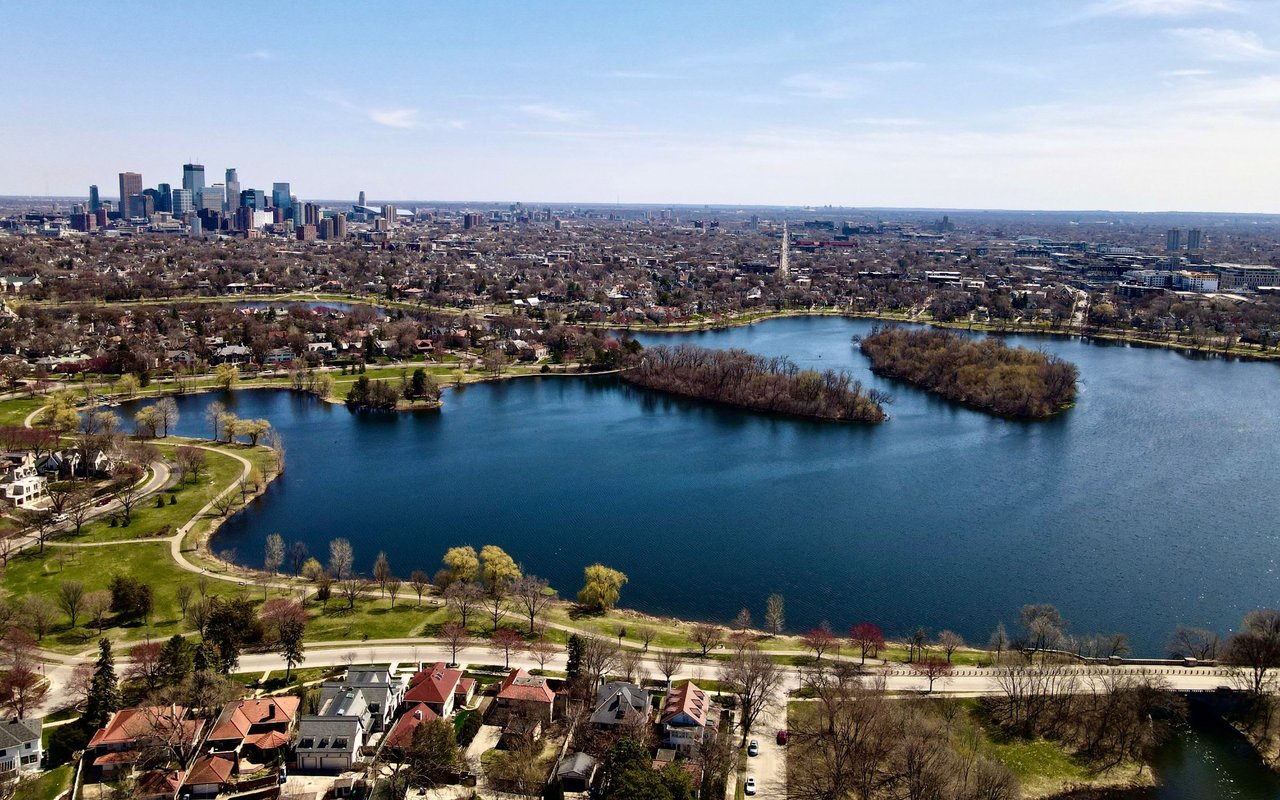
Living on Buffalo Lake follows a classic Upper Midwest rhythm. Winters bring ice fishing, snowmobiles, and quiet shorelines. Spring means runoff, variable water clarity, and the first paddles of the year. Summer is peak season with boating, swimming, and visitors. Fall slows down again, offering great fishing and color-drenched views.
You should expect the lake to be busier on warm weekends. Noise from boats and personal watercraft is part of the summer soundscape. If you value quiet, visit properties on a busy Saturday to understand the vibe. In winter, it shifts to ice houses, snowmobile tracks, and a calmer pace.
Water quality varies by season. Like many Minnesota lakes, Buffalo Lake can experience algae blooms in warmer months. You can monitor conditions through state and local resources such as the Minnesota Pollution Control Agency and local lake monitoring groups. Shoreline vegetation and native plants play a role in water clarity and habitat, so you will see a mix of natural edges and managed yards.
Wildlife is part of the lifestyle. You may spot waterfowl, shorebirds, and raptors, and you might hear loons on some area lakes. Shoreline plants support fish habitat and help prevent erosion. Clearing or altering vegetation is regulated, so any changes you make should be permitted.
Recreation and lake culture
Boating and water sports
Summer is all about getting on the water. You will see motorboats, pontoons, fishing boats, personal watercraft, kayaks, canoes, and paddleboards. Many homeowners install seasonal docks and lifts. Expect more activity during holidays and sunny weekends.
If you do not live directly on the water, you can still enjoy the lake. Most Minnesota lakes have one or more public access points administered by the city, county, or state. These sites are popular for day boating, fishing, and launching kayaks.
Fishing and winter fun
Anglers target popular Minnesota species such as walleye, northern pike, bass, panfish, and perch. Fishery rules, size limits, and seasons are set by the Minnesota Department of Natural Resources. In winter, ice fishing is common after safe ice forms. Snowmobiles and other winter recreation add to the off-season fun.
Public access and parks
Buffalo-area parks and public boat launches help connect the community to the water. If public access crowding matters to you, visit on a summer weekend to see parking patterns and boat traffic. The City of Buffalo and county resources list park locations, amenities, and seasonal notices.
Events and social dynamics
Lake-centered events can include fishing tournaments, holiday boat parades, community picnics, and winter derbies. Expect a mix of year-round residents, weekend users, and short-term visitors. Lake associations and neighborhood groups often share guidelines on no-wake areas, best practices for shoreline care, and volunteer opportunities to keep the lake healthy.
Rules and lake management essentials
Shoreland zoning and permits
Shoreland rules in Wright County influence where you can build, add hard surfaces, or remove trees. Setbacks, impervious surface limits, and grading guidelines protect the shoreline. Before you plan a new deck, addition, or retaining wall, confirm standards with Wright County Planning and Zoning and the City of Buffalo, as applicable.
Projects such as docks, riprap, seawalls, or major vegetation changes often require permits. Permit needs vary by project type and location, so get guidance early. A quick check with local authorities can save you time and prevent costly corrections later.
Boating rules and AIS prevention
Minnesota DNR boating laws apply on Buffalo Lake. That includes speed rules, no-wake zones, and operator age requirements. You are responsible for safe operation and understanding local restrictions that may apply during certain hours or in specific areas.
Aquatic invasive species are a statewide concern. You are required to clean, drain, and dry watercraft, remove plants and animals from equipment, and follow any inspections at public accesses. Following AIS rules protects the lake and helps avoid fines.
Water quality and aquatic vegetation
Summer algae and aquatic vegetation levels can change quickly. State and local monitoring helps communities respond to harmful algal blooms if they occur. Native vegetation is valuable for fish spawning and shoreline stability. If vegetation feels dense near your dock, talk with authorities before removal to stay compliant with habitat protections.
Septic systems and well water
Properties outside municipal utilities often rely on a private well and septic system. Counties oversee septic permits, inspections, and, in some cases, inspection requirements at the time of sale. Plan for routine septic maintenance, and consider well water testing on a regular schedule. If a property is within city limits, verify whether it has municipal water and sewer connections.
Homes and market factors
Housing types on and near the lake
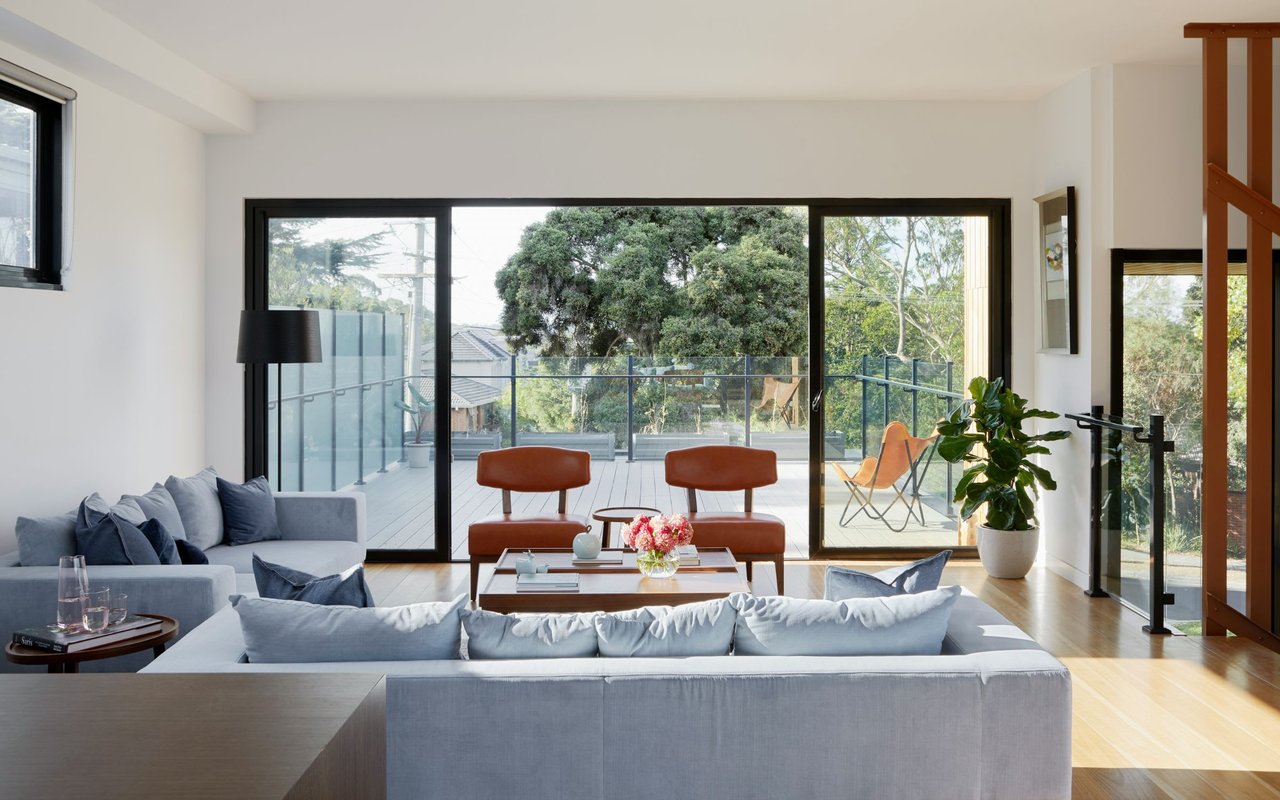
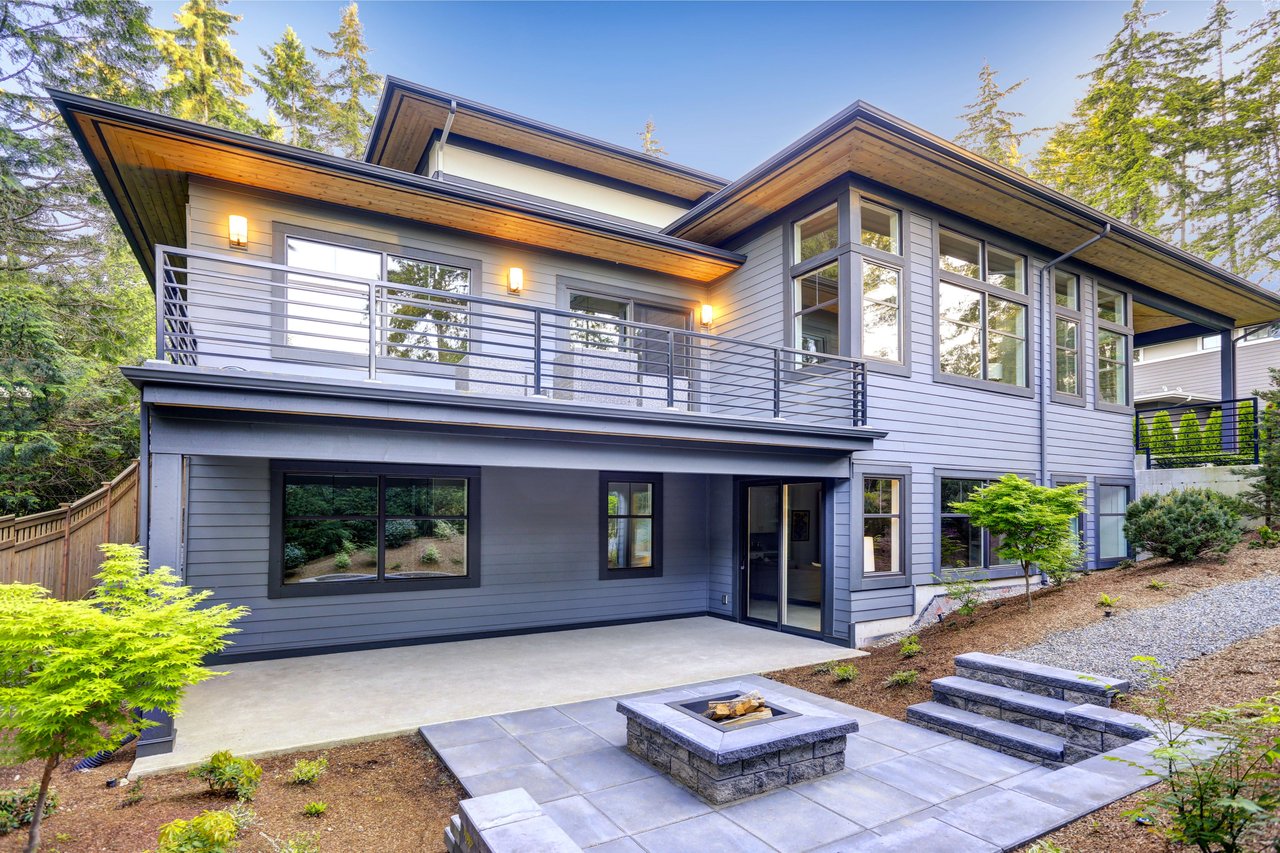
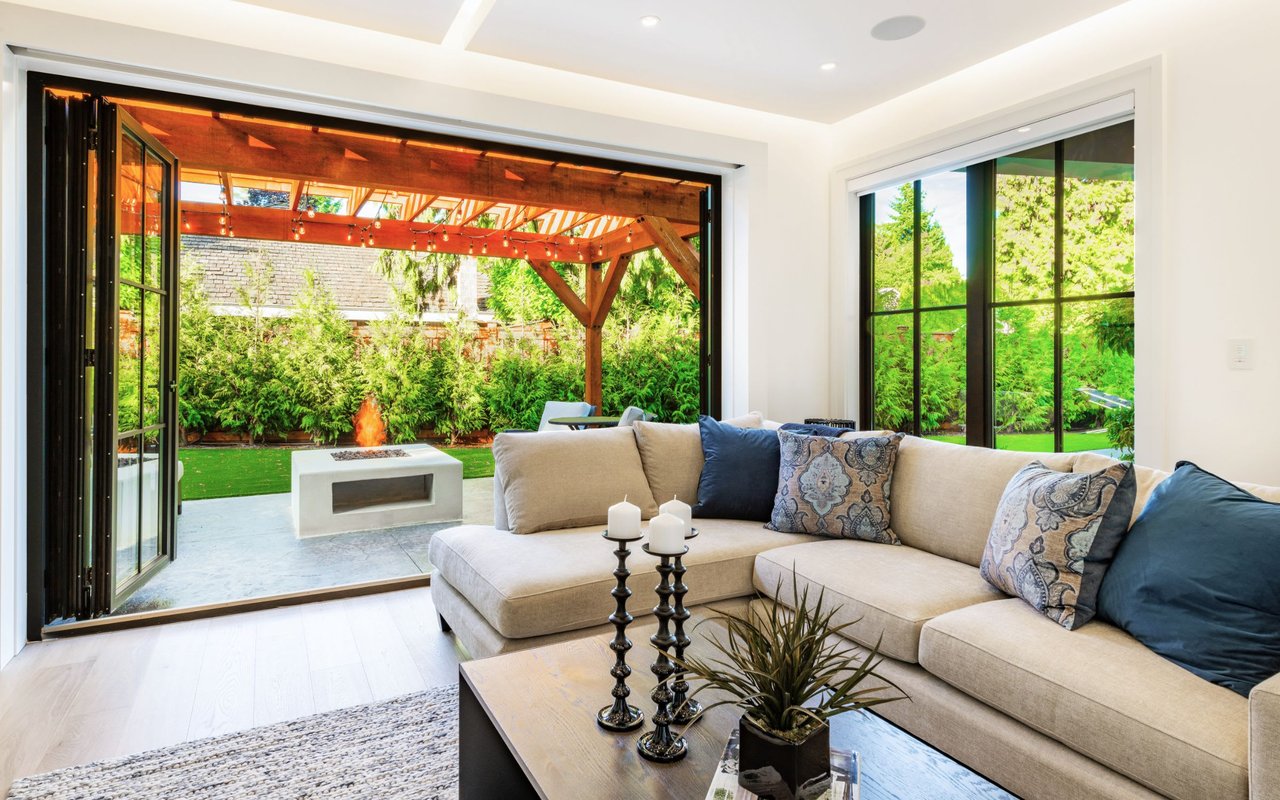
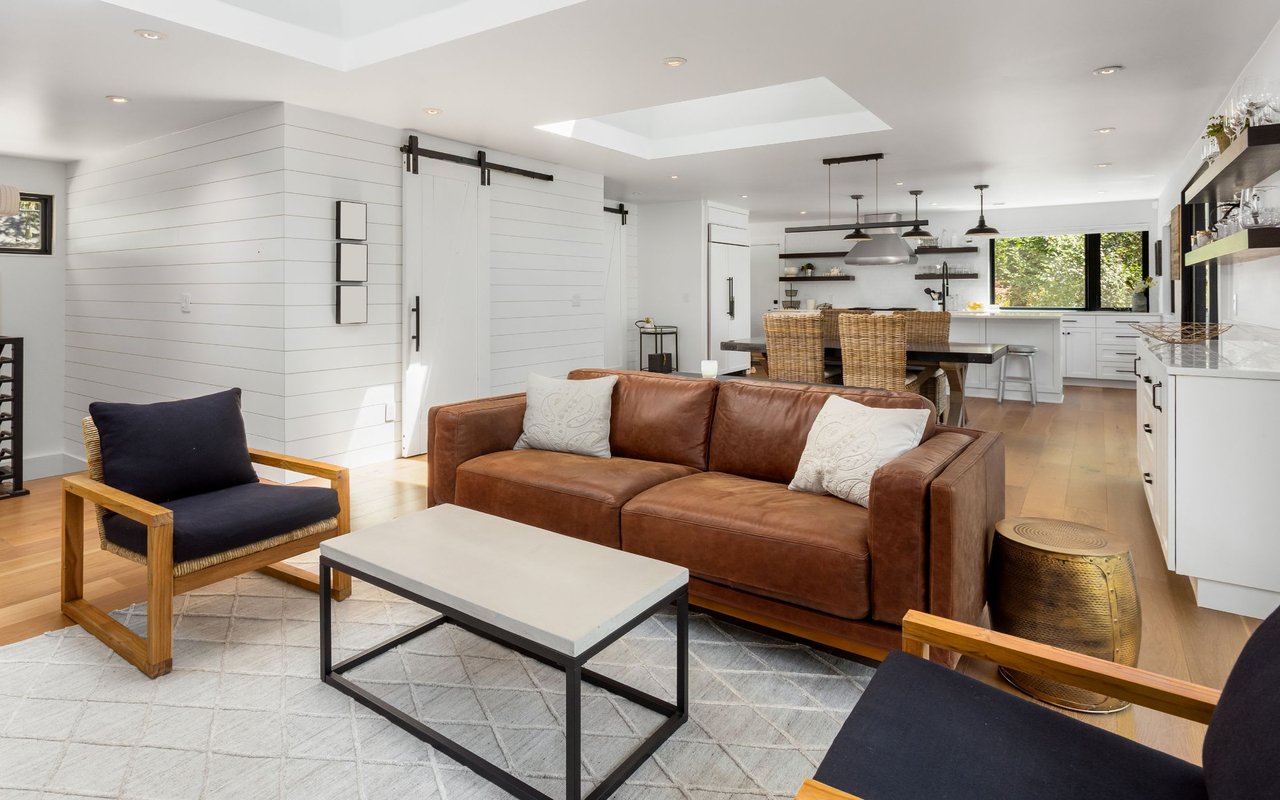
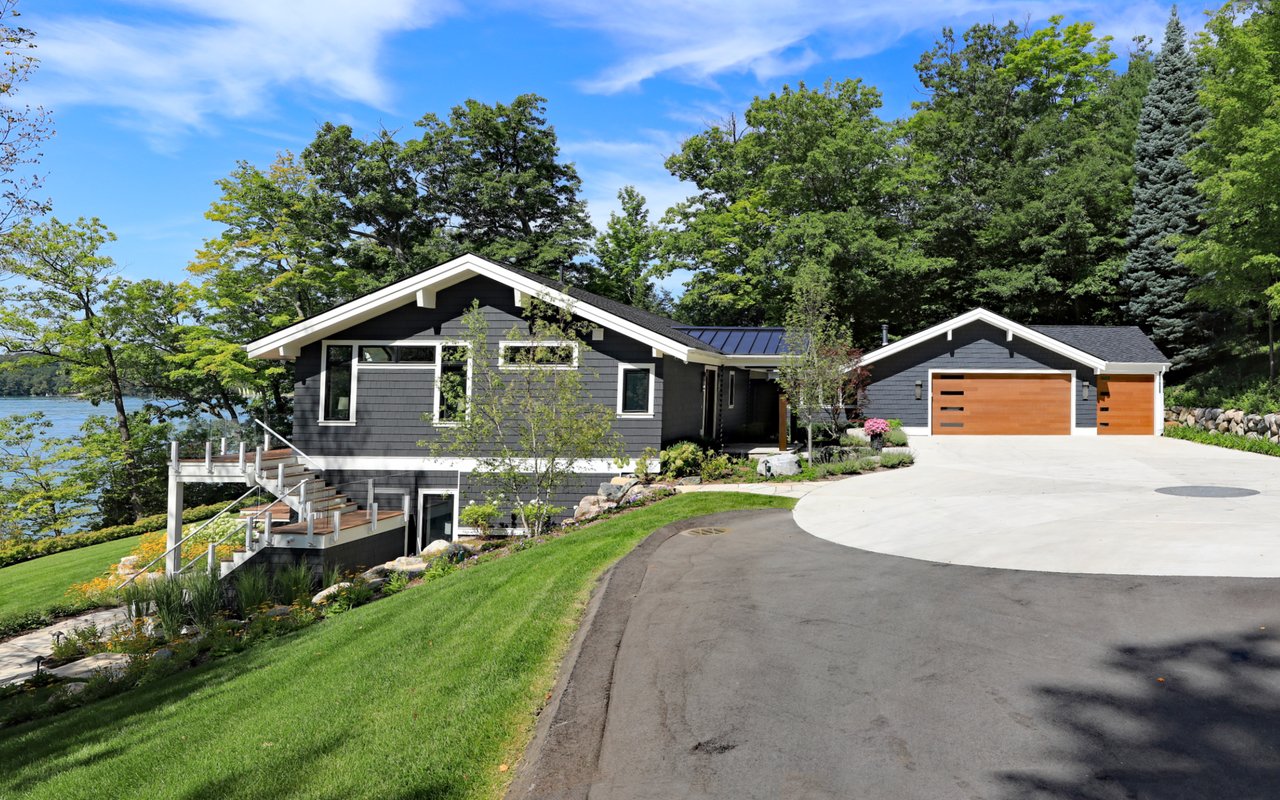
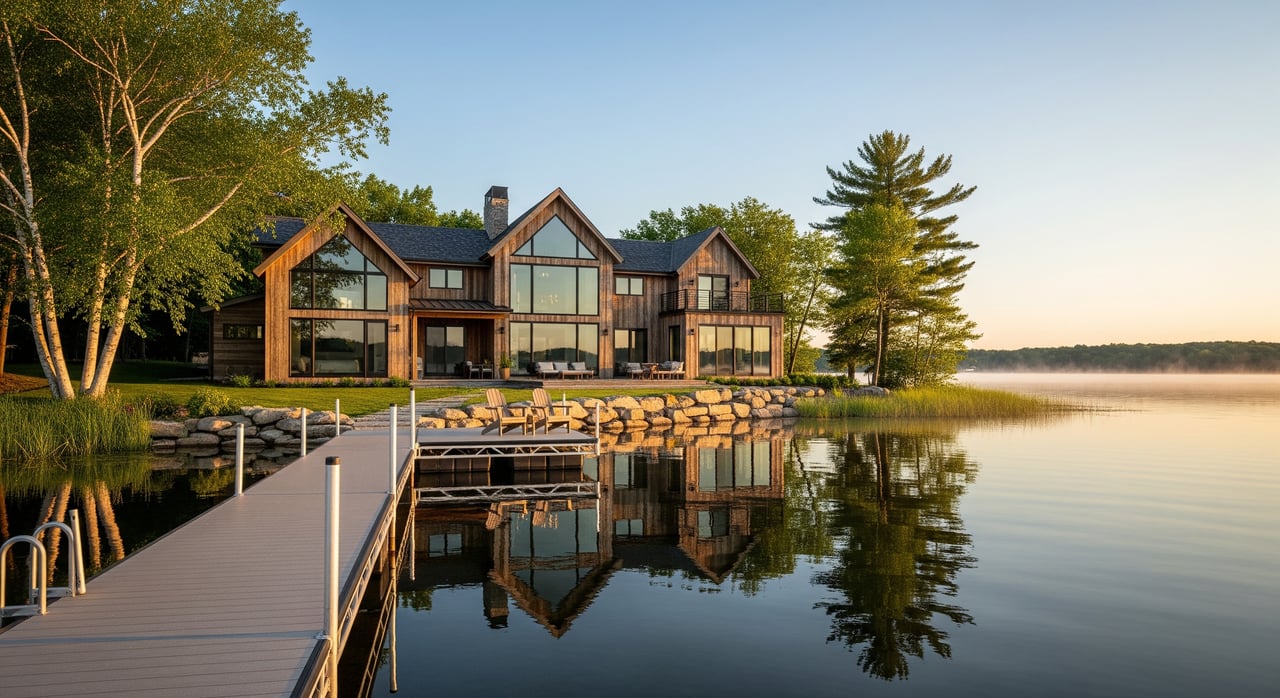
Buffalo Lake properties are a mix of older cabins converted to year-round homes, mid-century lakeshore houses, newer custom builds, and non-lakeshore homes in the lakes area. Some homes have true riparian frontage with a private dock. Others may include shared dock rights through an association, or offer lake access nearby without direct frontage.
Year-round comfort depends on insulation, heating, and how the home was updated over time. If a property started as a seasonal cabin, pay close attention to winterization and mechanical systems.
What drives pricing
Waterfront commands a premium because of scarcity and amenity value. Pricing is influenced by shoreline quality, water views, lot size, home condition, and whether you have a private dock or share access. Proximity to a busy public access can affect value. Because supply for true waterfront is often tight, you may face competition.
Appraisals must support the purchase price. If a property has unique features, shared roads, or unusual easements, financing can be more complex. Work closely with your lender, and structure contingencies that protect your interests while staying competitive.
Ownership costs to plan for
Expect extra line items compared to non-waterfront homes. These can include dock installation, seasonal removal and storage, shoreline stabilization work, and native plantings to prevent erosion. You may see higher maintenance due to freeze-thaw cycles, plus winterizing and spring commissioning for boats and outdoor systems.
Septic pump-outs and inspections are routine for properties with private systems. Insurance can vary for waterfront exposure and winter risks. If a property sits in or near a mapped flood zone, lenders may require flood insurance. Even when it is not required, it can be worth evaluating.
Financing and inspections
Most standard loans apply to lake homes, but documentation and appraisal support are critical. Strengthen your offer by preparing financing early and understanding comparable sales. Do your due diligence with a thorough inspection set tailored to lake living.
Recommended reviews include shoreline condition and bank stability, septic inspection and records, well water testing, a structural inspection focused on seasonal wear, and a survey or title review to confirm littoral rights, access easements, and dock ownership. You want to know what you own, what you can improve, and how those changes must be permitted.
Daily logistics around Buffalo
Commute and transit
Buffalo is a regional hub in Wright County with road access to the Twin Cities. Most residents commute by car. Drive times vary by destination and time of day, so test the route to your workplace during peak hours to set realistic expectations.
Public transit options are limited in many lake communities. If park-and-ride or express bus options matter to you, verify what serves your specific address.
Utilities and services
Confirm whether a property uses municipal water and sewer or relies on private well and septic. Ask about trash and recycling providers, internet options, and utility costs through different seasons. For older homes, review insulation, HVAC capacity, and pipe locations to avoid winter freeze issues. Plan for snow removal and consider storage for seasonal equipment.
Schools and emergency services
School assignments depend on the property address. If school placement is important to you, verify details with the local district and state education resources. Police, fire, and EMS are provided by the City of Buffalo and Wright County agencies. Response times can vary by shoreline location, so ask for coverage information if that is part of your decision.
Risks and insurance
Water levels and storms can cause erosion or shoreline loss over time. Shoreline stabilization work can be costly and will likely require permits. If a property lies in a FEMA-designated special flood hazard area, lenders may require flood insurance. Even outside mapped zones, you can discuss coverage with your insurance advisor based on your risk tolerance.
Buffalo Lake buyer checklist
Use this quick list to evaluate any Buffalo Lake property:
- Confirm littoral rights and dock ownership. Ask whether there are any public easements or shared access agreements.
- Review shoreline alterations and permits. Verify prior work and whether future projects will need approvals.
- Check recent water quality history, including any harmful algal bloom advisories, fish kills, or invasive species reports.
- Inspect the septic system for age, capacity, and maintenance history, and confirm the well location and testing records.
- Verify setbacks, shoreland zoning, and the ability to rebuild or expand, including flood elevation requirements.
- Understand neighborhood or HOA rules on docks, boat restrictions, rental policies, and private road maintenance.
- Visit at different times. Compare a summer weekend with a weekday and a winter visit to assess noise, traffic, and activity levels.
- Budget for ownership costs beyond the mortgage. Include docks, shoreline care, winterizing, septic service, and potential insurance differences.
- Confirm emergency services coverage and practical commute times during peak hours.
Ready to explore waterfront homes?
If Buffalo Lake living is on your mind, you deserve local guidance that blends real-world lake knowledge with clear, step-by-step support. From valuations and neighborhood guidance to tailored inspections and negotiations, you can count on responsive, full-service help. When you are ready to tour the shoreline, compare options, or price your current home, connect with Luke DeLacey for a straightforward plan.
FAQs
What is summer activity like on Buffalo Lake?
- Summer weekends are the busiest, with motorboats, pontoons, and personal watercraft common; visit on a sunny Saturday to gauge noise, traffic, and parking.
Are there public boat launches and parks on Buffalo Lake?
- Yes. Public access sites are typically administered by city, county, or the state; check local listings to confirm exact locations, amenities, and seasonal hours.
What kinds of fish are in Buffalo-area lakes?
- Anglers commonly pursue walleye, northern pike, bass, panfish, and perch, following Minnesota DNR seasons, size limits, and any special regulations.
Do shoreland rules limit building or landscaping?
- Yes. Shoreland zoning governs setbacks, impervious surfaces, and vegetation removal; permits are often required for docks, riprap, and shoreline work.
How do septic and well systems impact lake homes?
- Many properties use private systems; plan for inspections, routine maintenance, and water testing, and verify any county requirements at the time of sale.
What extra costs come with waterfront ownership?
- Common expenses include docks and lifts, seasonal setup and storage, shoreline stabilization, septic service, winterization, and potentially higher insurance.
How can I check water quality or algae advisories?
- Review reports from state agencies and local monitoring groups for recent water quality trends and any harmful algal bloom advisories.