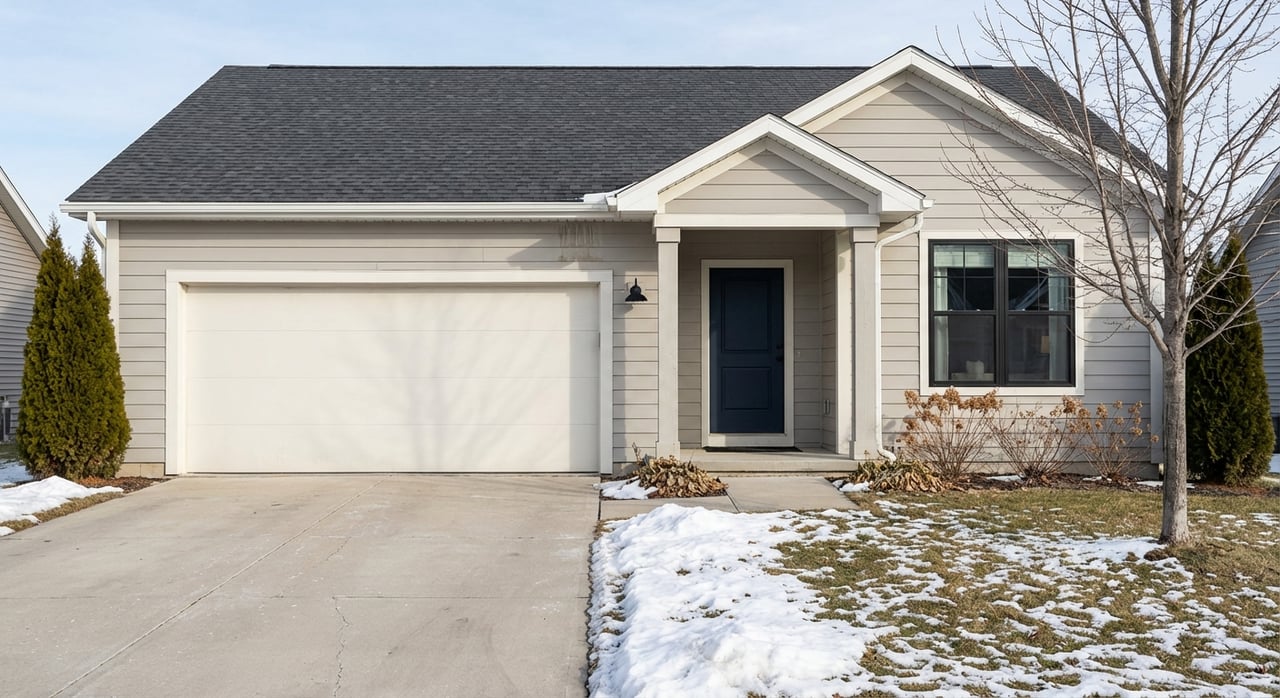
Craving more space, a quieter street, or a newer home while staying within reach of Minneapolis? You are not alone. Many city homeowners look west to Wright County for larger lots, fresh construction, and a different pace without losing metro access. In this guide, you will compare prices, commutes, schools, taxes, and day-to-day lifestyle so you can decide if a move from Minneapolis to Wright County fits your goals. Let’s dive in.
Wright County at a glance
Wright County sits directly northwest of Hennepin County. The suburbs most Minneapolis movers consider include St. Michael, Albertville, Monticello, and Buffalo. You will find a strong mix of single-family neighborhoods, new construction, and small-city downtowns with parks and local services.
Quick read on the four hot spots
- St. Michael and Albertville: Growing suburbs with newer subdivisions and neighborhood amenities. Albertville also hosts a major outlet mall.
- Monticello: River access, established services, and subdivisions with modern layouts.
- Buffalo: A small city with lake access, parks, and a traditional downtown feel.
What you can expect to pay
Here is a simple, recent snapshot using late 2025 to early 2026 tracker data. Exact figures vary by source and neighborhood, so use ranges rather than a single number.
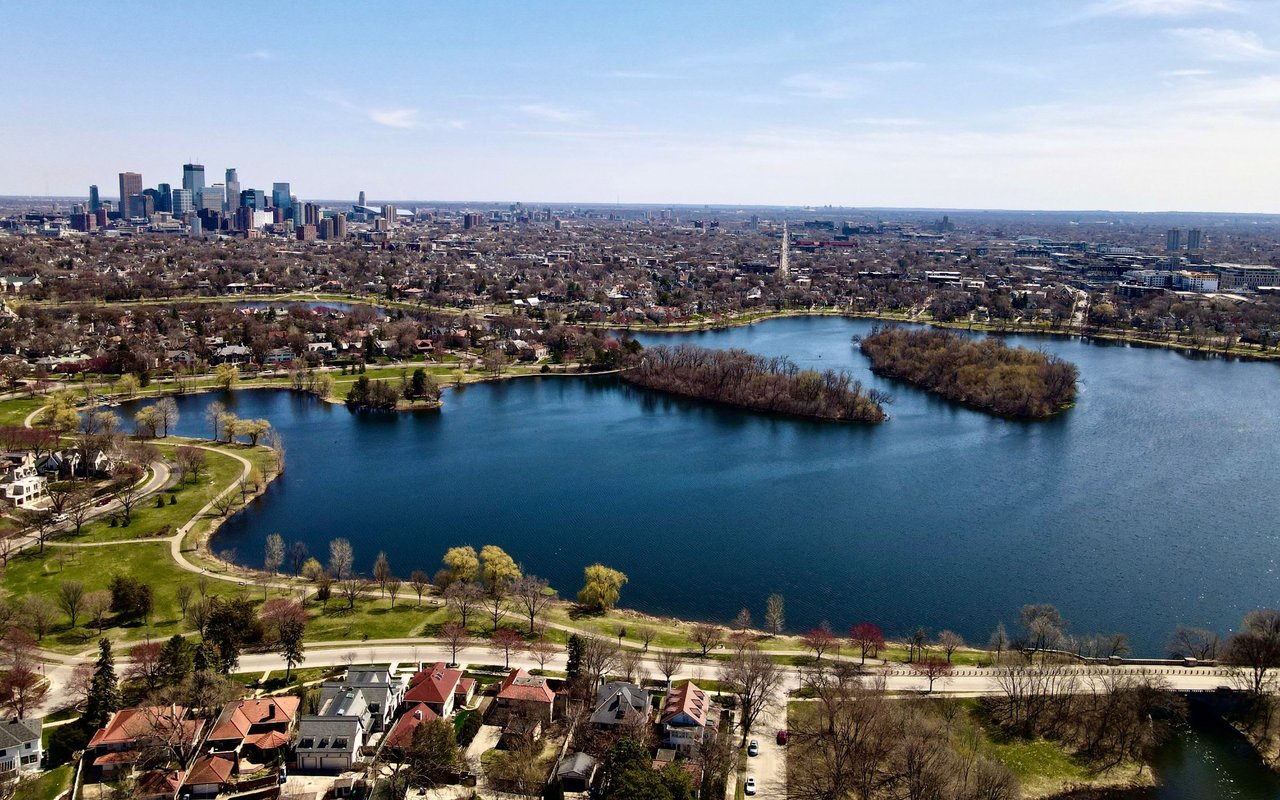
- Minneapolis: Recent medians commonly fall around the mid-$300,000s, with value-index estimates near the low $300,000s depending on the method and area of the city.
- St. Michael area: Many listings trade in the high-$400,000s to around $500,000, often above the Minneapolis median depending on the subset.
- Albertville: A mix of newer subdivisions and established areas, with typical value-index readings near the upper $300,000s.
- Monticello: Mid-$300,000s are common in tracker medians and indexes, with some slices higher.
- Buffalo: Often similar to or a bit above Minneapolis, with trackers showing medians from roughly the mid-$300,000s to upper $300,000s.
Bottom line: there is no universal “cheaper” rule. Monticello and parts of Buffalo can be similar to or below many Minneapolis neighborhoods, while St. Michael and some Albertville pockets often price higher. Compare by city and zip, and note the date on every data pull.
Home types and lot sizes
If you want more yard or a newer floor plan, Wright County can be a smart fit.
- Minneapolis: Older single-family homes, rowhouses, townhomes, and condos are common. Many city lots are compact, often around 0.06 to 0.12 acres.
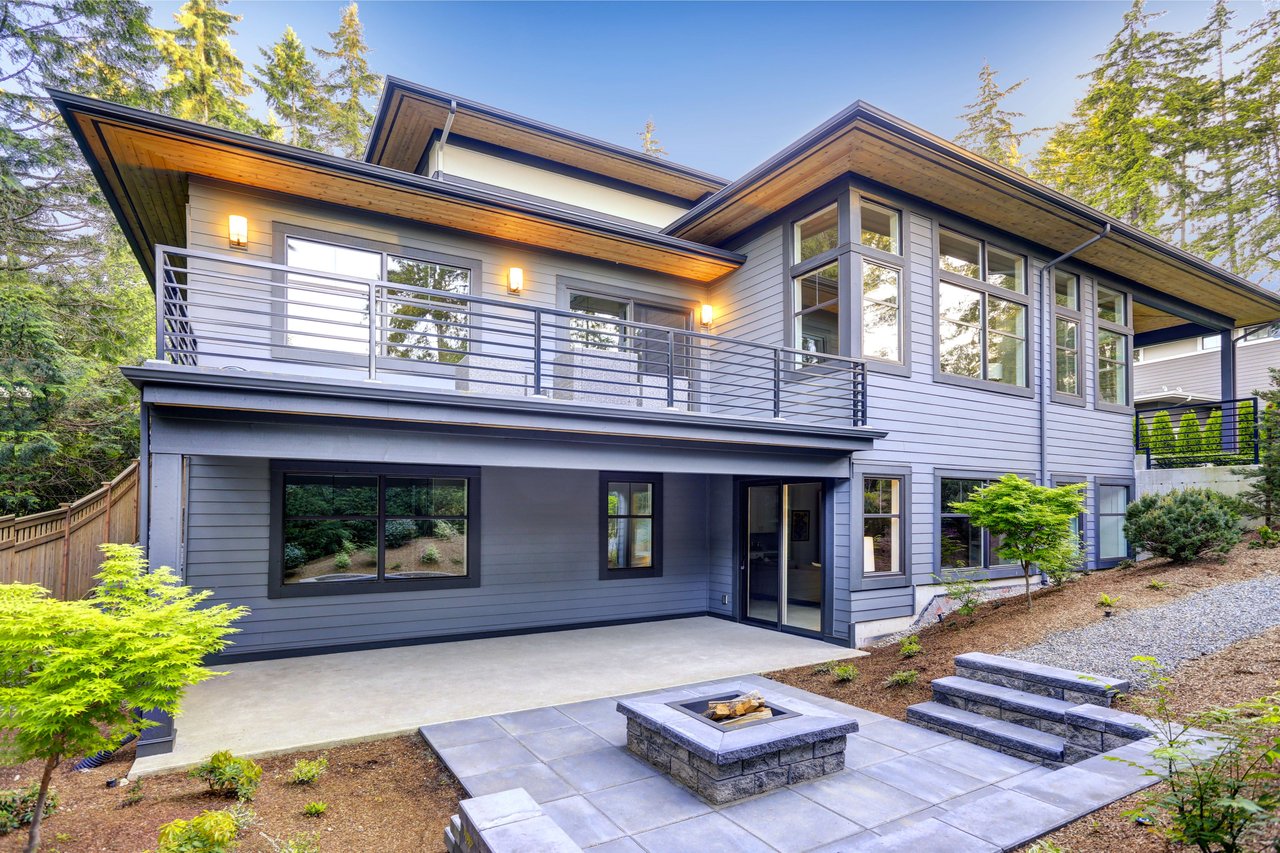
- Wright County suburbs: Predominantly single-family neighborhoods from the 2000s to 2020s, plus townhomes and, in outer areas, acreage properties. Typical subdivision lots range about 0.15 to 0.5 acres, with many in the 0.2 to 0.35-acre band. Acreage parcels start at 1 acre and up.
Tip: If you plan to add fencing, a shed, or an accessory structure later, verify lot size, setbacks, and any HOA rules. The Wright County Assessor page is a good starting point for parcel data.
New construction choices
Compared with most Minneapolis neighborhoods, you will see more active new-build options in St. Michael, Albertville, and Monticello. Buyers often compare HOA structures, finishes packages, and energy features alongside price. Expect a price premium for new construction and budget for landscaping or window treatments that may not be included.
Commute and transportation
Off-peak baseline drive times to downtown Minneapolis vary by town and exact start and end points:
- Minneapolis to St. Michael: about 37 minutes (TravelMath baseline)
- Minneapolis to Albertville: about 33 minutes
- Minneapolis to Monticello: about 39 minutes
- Minneapolis to Buffalo: about 51 minutes
Plan for longer windows during rush hour and winter. Incidents on I-94 and regional arterials can add time. Test your specific commute during the hours you expect to travel.
Public transit changed in 2026 on the northwest corridor. The Northstar commuter rail ended, and the corridor shifted to expanded bus service starting January 5, 2026. Review current routes and schedules on Metro Transit’s Northstar page. For towns beyond the Big Lake corridor, you will rely on park-and-ride options, express bus pilots, or local demand-response services rather than a direct train.
School district basics
School boundaries often cross city lines, so confirm the assigned schools for any address before you write an offer. A useful starting point is the Wright County school district list.
- St. Michael and Albertville are primarily served by St. Michael–Albertville Schools (ISD 885). Check boundary maps for specific addresses.
- Monticello is served by Monticello Public Schools (ISD 882).
- Buffalo is served by Buffalo–Hanover–Montrose Schools (ISD 877).
Districts publish state report-card links and program details. If you are comparing options, use the Minnesota Report Card portal to find current performance data and open enrollment details at the district or school level: Minnesota Report Card. Always verify deadlines and processes there or on the district site.
Property taxes and ongoing costs
Taxes are a major part of total monthly cost. Effective property-tax rates vary by city and school levies.
- Hennepin County (Minneapolis area) commonly shows median effective rates in the mid-1 percent range, often around 1.2 to 1.3 percent.
- Wright County summaries often show medians near the low-1 percent range, commonly about 1.0 to 1.1 percent, with city-by-city variation. See an aggregator snapshot for Wright County medians on Ownwell’s county page.
To estimate a specific home’s bill, use county tools:
Be sure to factor HOA fees, commuting fuel and parking, and any rural utility or septic costs when you compare locations.
Lifestyle and amenities
- Albertville: The Albertville Premium Outlets are a major regional retail draw, providing convenient shopping and local jobs.
- Buffalo: Lake access, parks, and small-city amenities shape day-to-day life. For a sense of recreation and events, browse a local overview of things to do in Buffalo.
- Monticello: Riverfront recreation and a mix of in-town services support a balanced suburban feel.
Many residents commute to the metro, while local employment includes retail, schools, healthcare, light industrial, and government roles.
A simple step-by-step plan
Use this checklist to compare Wright County suburbs with your Minneapolis baseline:
- Price-check by city and zip. Pull recent medians from two sources and note the month and year. Compare list and sale prices in your target neighborhoods.
- Test your commute twice. Drive your route during your actual morning and evening hours. Compare to an off-peak baseline to understand the spread.
- Confirm schools by address. Use the Wright County district list and verify on the Minnesota Report Card portal at rc.education.mn.gov. Review programs that matter to you.
- Verify lot size and rules. Pull parcel data from the Wright County Assessor and check any HOA documents for fencing, sheds, or accessory structures.
- Compare total monthly cost. Estimate mortgage, property tax, HOA, commuting, and utilities. Use the Hennepin County property tax page for process details if you are selling in Minneapolis and county tools for your Wright County targets.
Is Wright County right for you?
If you want more space, a newer layout, or lake and park access while staying connected to the metro, Wright County can deliver strong options. The key is balancing budget, commute, and school fit with the right neighborhood and lot type.
When you are ready to compare homes street by street and town by town, connect with Luke DeLacey for neighborhood-level guidance, data-driven pricing, and a smooth move from Minneapolis to Wright County.
FAQs
How do home prices compare between Minneapolis and St. Michael–Albertville?
- Recent snapshots show Minneapolis around the mid-$300,000s, while many St. Michael–Albertville listings trade in the high-$400,000s to about $500,000, depending on the neighborhood and date of data.
What are typical Wright County lot sizes in subdivisions?
- Many in-town subdivision lots range about 0.15 to 0.5 acres, with a common band near 0.2 to 0.35 acres, plus 1-acre or larger options in rural areas.
How did the 2026 Northstar change affect commuting from the northwest corridor?
- The commuter rail ended and the corridor shifted to expanded bus service on January 5, 2026; check current routes and schedules on Metro Transit’s Northstar page.
Which districts serve St. Michael, Albertville, Monticello, and Buffalo?
- St. Michael–Albertville is ISD 885, Monticello is ISD 882, and Buffalo–Hanover–Montrose is ISD 877; confirm specific school assignments by address using district resources.
Are Wright County property taxes lower than Hennepin County on average?
- Aggregated summaries often show Wright County medians near 1.0 to 1.1 percent and Hennepin County near 1.2 to 1.3 percent, but actual bills vary by city, school levies, and property.
Is new construction common in Wright County suburbs?
- Yes. You will find active new-build neighborhoods, especially in St. Michael, Albertville, and Monticello, often with a price premium compared to older resale homes.