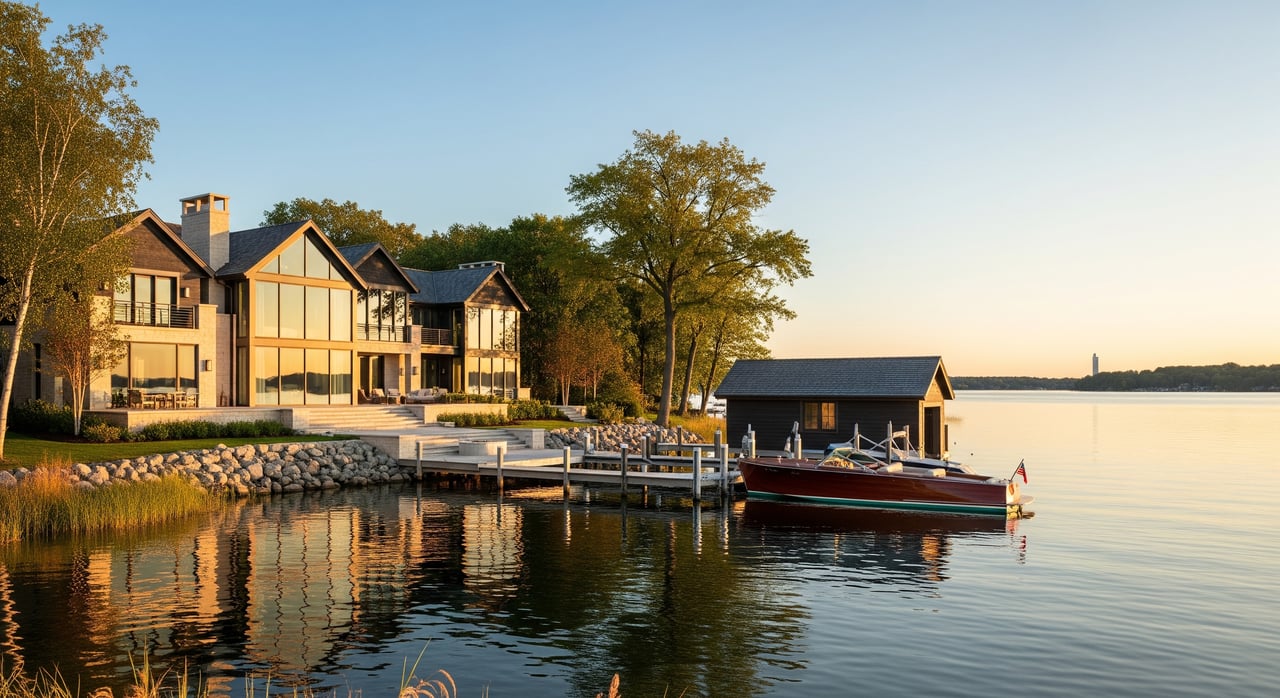
Pricing a lake home in Wayzata is not the same as pricing a typical suburban house. On Lake Minnetonka, two homes with similar square footage can sell very differently because of shoreline, views, and boating access. If you skip the lake-specific details, you risk leaving money on the table or scaring off qualified buyers. In this guide, you’ll learn the factors that drive value, how to build a lake-focused pricing plan, and what to prepare before you list. Let’s dive in.
Know the local market
Wayzata sits on the northeastern edge of Lake Minnetonka. The lake’s bays, shorelines, and access points create micro-markets where small differences add up to major price changes. You need market data that reflects your specific bay, frontage type, and proximity to downtown Wayzata.
- Start with recent sold and active data from the MLS. Northstar MLS provides the most reliable local sales history for a Comparative Market Analysis (CMA). You or your agent can reference Northstar MLS market data to identify true lake comparables.
- Pull parcel lines, assessed values, and tax history from Hennepin County property records to confirm legal descriptions, frontage, and lot details.
- Check for local regulations and notices that may affect docks or shoreline work. The City of Wayzata and the Lake Minnetonka Conservation District publish rules and updates that can impact value and marketability.
What drives lake value
Shoreline frontage and type
Frontage matters. The number of linear feet and the quality of the shoreline influence price. Natural, gently sloping sandy frontage tends to draw stronger interest than steep, rocky, or heavily riprapped shorelines. Private, exclusive shoreline typically carries a premium over shared access.
Dock and mooring rights
Docks, boathouses, and slips add value when they are permitted and in good condition. The LMCD and the City regulate size, slip counts, and placement, which can affect what you can build or keep. Document permits and any transferable mooring rights to reduce buyer uncertainty.
View and exposure
Open-water views and southwestern exposure are often preferred. Orientation affects sunlight, sunset views, prevailing winds, and boat traffic. Clear, wide views with less congestion tend to command stronger pricing.
Depth and navigability
Buyers care about depth off the dock and how easily they can reach open water for boating or water sports. Shallow, weed-heavy frontage or a route that is hard to navigate may reduce interest even if frontage is long.
Lot and privacy
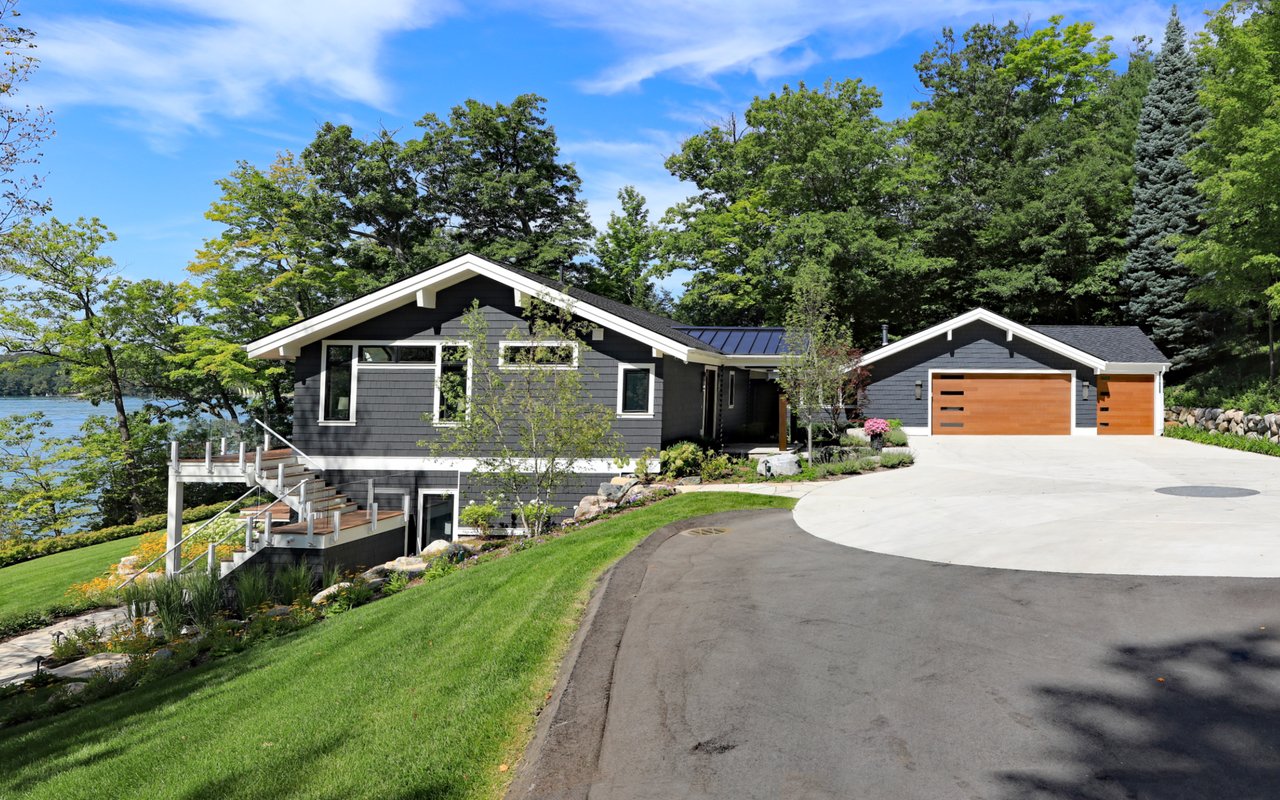
A usable, moderately flat lot with room for outdoor living usually increases appeal. Privacy from neighbors and a comfortable buffer along the shoreline can add value. Steep or heavily wooded lots that limit lakeside use may require price adjustments.
Home quality and condition
Year-round construction, strong foundations and utilities, and thoughtful lakeside design matter. Renovations that highlight lake living, like expanded decks, large lakeside windows, or a quality patio, typically help pricing. Document recent improvements to support your list price.
Water and environment
Water clarity, weed levels, and invasive species influence demand and disclosures. Use the Minnesota DNR’s lake resources to understand local conditions and aquatic invasive species guidance.
Rules and easements
Shoreland setbacks, conservation rules, and recorded easements affect what you can build, repair, or share. Confirm City, County, and LMCD rules and gather permit history. Clear, complete documentation improves buyer confidence.
Flood and insurance
FEMA flood zone status and local erosion history affect insurability and perceived risk. Check your property’s status on the FEMA Flood Map Service Center and be ready to discuss insurance options and costs.
Access to Wayzata amenities
Being close to downtown Wayzata, marinas, restaurants, and transit can elevate demand. Walking or short driving distance to services often draws more showings and stronger offers.
Build a lake-specific CMA
A strong CMA is the backbone of your pricing strategy. For lake homes, it must center on the shoreline and the bay.
- Choose the closest matches: same bay when possible, similar frontage type and feet, comparable dock or boathouse setup, similar view and exposure, and similar lot slope and size.
- Match home characteristics: square footage, year built, quality of finishes, and recent renovations that enhance lake living.
- Use the freshest sales: within 6 to 12 months if available. If turnover is slow, you may look to other Lake Minnetonka bays but adjust carefully for differences.
- Document adjustments: quantify per-front-foot differences, dock or boathouse value, view premiums, steepness penalties, and renovation credits using local sold data. Keep notes so buyers and appraisers can understand your price.
Use cross checks wisely
You can validate your CMA with a few additional methods, but use each with care.
- Per-front-foot check. Divide sale price by shoreline feet for comparable sales on your same bay or similar shores. Treat this as a check, not your only method, because per-foot values vary widely by micro-location and shoreline quality.
- Price per square foot. Helpful for the house alone, but lake homes include a waterfront premium, so off-lake comps will not translate.
- Cost approach. Consider replacement cost for unique, custom homes where comps are scarce.
- Income approach. If the home is used as a rental, you can consider income potential, but many lake homes are owner-occupied. Focus on demand from end users.
Plan your pricing strategy
Seasonality matters. Lake homes often see the highest buyer activity in late spring and early summer. If the market is hot, a slightly higher list can attract multiple offers. In a cooler market, pricing closer to recent sold comps can expand your buyer pool and shorten time on market.
- Set a price range. Build a low, expected, and high scenario based on your CMA adjustments.
- Consider your timeline. If you want a faster sale, price near the center of your range to encourage action.
- Be transparent. Provide buyers with permits, surveys, and maintenance records. Reducing uncertainty can support a stronger price.
Get documentation ready
The right paperwork increases buyer confidence and helps your home appraise.
- Survey and frontage verification. A recent survey that marks shoreline feet, structures, and any encroachments is essential.
- Permits and compliance. Collect dock, boathouse, seawall, and addition permits. Verify rules and any past violations with the Lake Minnetonka Conservation District and the City of Wayzata.
- Septic, well, and utilities. If you have a private well, follow the Minnesota Department of Health’s private well guidance. Gather septic inspection records and any service history.
- Flood and erosion. Confirm FEMA status using the FEMA Flood Map Service Center. Document any shoreline stabilization work and permits.
- Title and easements. Identify shared access, utility easements, and mooring agreements, and confirm that riparian rights transfer.
- County records. Use Hennepin County property records to confirm tax history and legal descriptions.
Showcase the shoreline
Presentation is a major driver of perceived value. Highlight the lake first.
- Use professional photography that frames views, shoreline, and boat access.
- Add drone images to show your relation to open water and downtown Wayzata.
- Stage lakeside spaces, including patios, decks, and docks, so buyers can picture living there.
- Include a simple shoreline features sheet that lists frontage feet, depth off the dock, and route to open water.
Answer buyer questions upfront
Proactive disclosure reduces friction and supports your price. Address these in your listing materials and at showings.
- What is included in the sale, such as dock sections, lifts, buoys, boathouse fixtures, and shore furniture?
- Are dock and boathouse permits current and transferable? Who owns the slip or mooring rights?
- How many feet of shoreline and where are the boundaries at the water’s edge?
- What is the depth off the dock and how do you access open water?
- Have there been recent weed or algae issues? Any invasive species concerns?
- What rules, fees, or assessments apply, including LMCD permits or HOA items?
- Are there known erosion or flood risks, and what is the FEMA flood zone?
Wayzata rules to verify
Wayzata and Lake Minnetonka have clear oversight for docks, moorings, and shoreline work. Before you list, confirm requirements, restrictions, and permit status.
- Review local zoning, setbacks, and permits with the City of Wayzata.
- Check lake-specific docking and boating rules with the LMCD.
- For shoreland background and best practices, consult the Minnesota DNR and the Minnesota Pollution Control Agency’s shoreland management resources.
When appraisals affect price
If your buyer is using financing, the lender will order an appraisal. On the lake, appraisers may have limited close comps and will apply larger adjustments or multiple methods. Cash buyers have more flexibility and sometimes pay above appraised value, but financing contingencies can limit the buyer pool. A well-documented CMA and strong disclosure package help the appraisal process.
Simple seller checklist
Use this quick list to prepare for market and support top-dollar pricing.
- Current survey with confirmed shoreline frontage.
- Copies of all shoreline and dock permits and any LMCD correspondence.
- Septic inspection and well test results, if applicable.
- Erosion and shore stabilization documentation.
- Professional interior, exterior, and drone photography.
- CMA with lake-specific comps and written adjustments.
- Written disclosures for any non-permitted work, easements, HOA rules, or mooring agreements.
Next steps
Pricing a Wayzata lake home starts with lake-specific details, not just bedrooms and baths. When you combine a precise CMA, clear documentation, and standout presentation, you give buyers confidence and protect your price. If you want a tailored plan for your shoreline, permits, and bay, connect with Luke DeLacey for a local, data-informed strategy. Request a Free Home Valuation & Consultation.
FAQs
How do I pick comps on Lake Minnetonka?
- Start with your same bay and match frontage type, feet, dock setup, view, lot slope, and home condition, then adjust with recent local sales from MLS data.
What permits affect my dock or boathouse in Wayzata?
How do I verify my shoreline frontage and boundaries?
Do water quality or invasive species impact price?
- Yes. Buyers consider clarity and weed levels, and you should disclose known issues; review guidance from the Minnesota DNR.
How do I check if my home is in a flood zone?
What if my buyer’s lender appraisal comes in low?
- Support your price with a lake-specific CMA, permits, surveys, and documented adjustments; consider negotiation options or appeal if the appraisal misses key lake factors.