Thinking about living for less while building long-term wealth? House hacking with a duplex can lower your monthly costs and put you on a faster path to equity. If you’re eyeing Saint Louis Park in Hennepin County, you’re in a smart spot for steady renter demand, strong transit access, and a convenient commute into Minneapolis. In this guide, you’ll learn how duplex house hacking works, what to check locally, financing options to consider, and how to run your numbers with confidence. Let’s dive in.
Why duplex house hacking in St. Louis Park
St. Louis Park borders Minneapolis to the west, so you get quick access to major employers, highways, and transit. That convenience helps support renter demand for well-kept duplex units. The West End area, parks and trails, and everyday amenities add to the appeal for tenants who value short commutes and neighborhood convenience.
Most duplexes here are in established neighborhoods, so inventory can be limited. When a solid property hits the market, you can see competition from both investors and owner-occupants. Going in with a plan, pre-approval, and clear numbers helps you move quickly and negotiate from a position of strength.
How the duplex strategy works
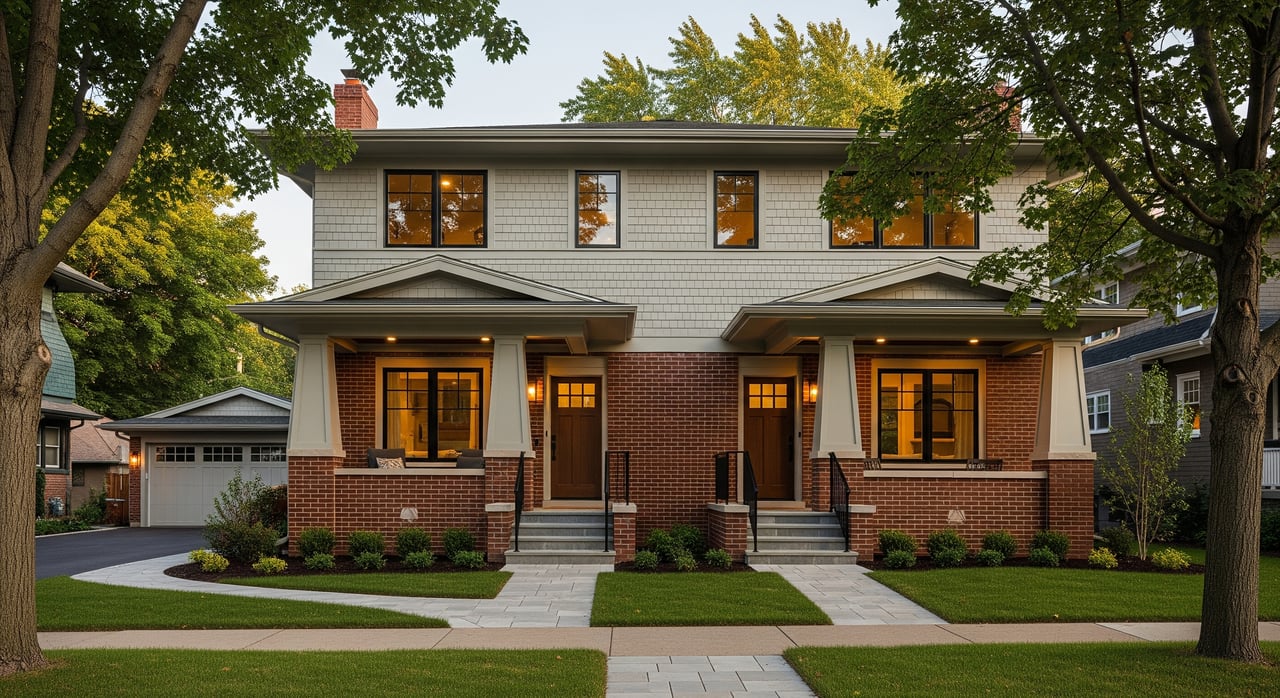
House hacking is simple at its core: you buy a duplex, live in one unit, and rent out the other to offset your mortgage and expenses. The benefits add up:
- You may qualify for owner-occupant loan programs on 2–4 unit properties.
- Rental income can reduce your out-of-pocket housing costs.
- You build equity as you pay down the loan, with a tenant helping to cover the monthly payment.
- You gain experience as a landlord with only one other unit to manage.
Success starts with careful property selection, realistic rent estimates, and a conservative budget for maintenance and vacancy.
Financing your owner-occupied duplex
Loan options to explore
- FHA: Allows owner-occupants to purchase 1–4 unit properties. The minimum down payment is typically 3.5% for eligible borrowers. You must plan to live in one unit as your primary residence.
- Conventional: Many lenders offer conforming conventional loans for 2–4 unit properties. Terms depend on your credit profile and the loan program.
- VA: Eligible veterans can use VA financing on 2–4 units with owner occupancy.
- Portfolio lenders: Some local banks offer flexible products for small multi-family purchases.
Always confirm current program details, county loan limits for multi-unit properties, and any lender-specific requirements.
Using rental income to qualify
Lenders often count a portion of projected rental income from the other unit toward your qualifying income. You will usually need documentation such as a signed lease or market rent evidence. Expect occupancy requirements as part of owner-occupied financing.
Down payment, reserves, and rate
Owner-occupied financing often offers lower down payment options and better rates than investor loans. You may need reserves, especially with multi-unit properties. Your lender can clarify the documentation, reserve requirements, and timeline from pre-approval through closing.
Zoning, permits, and rental rules
Where duplexes are allowed
Zoning varies by neighborhood. Review the City of St. Louis Park zoning map and code to confirm where duplexes are permitted by right, where conditional use may apply, and where single-family-only zones exist. If you’re eyeing a property that looks like a duplex, verify that it is a legal two-unit property.
Rental registration and inspections
Many cities require rental registration, licenses, or periodic inspections for safety compliance. Confirm current St. Louis Park rental requirements, timelines, and fees before you make an offer. Build any inspection or licensing steps into your closing and move-in plan.
Short-term rentals
Short-term rental rules are specific and can change. If you plan to use one unit for short-term stays rather than a long-term lease, check the city’s short-term rental policies to ensure you comply with registration, limits, and insurance requirements.
Converting to a duplex
If you plan to convert a single-family home to a duplex or make unit-specific renovations, expect permits for building, electrical, plumbing, and potentially fire-safety upgrades. Plan for egress, sound separation, and any utility separation requirements. When in doubt, consult the city’s building inspections department early.
Taxes, homestead, and insurance
Homestead classification
If you live in one unit as your primary residence, you may be eligible for homestead classification on that portion of the property. Review Hennepin County homestead rules for eligibility and documentation requirements.
Reporting rental income and deductions
Rent from the other unit is taxable income. Owners typically report rental income and expenses on IRS Schedule E. Common deductible items include mortgage interest, property taxes, insurance, maintenance, utilities you pay, and depreciation. IRS Publication 527 provides guidance on residential rental property and depreciation over 27.5 years.
If you sell later, the primary-residence capital gains exclusion generally applies to the portion of the property you used as your home. Mixed-use properties can create complex calculations, so consult a tax professional for your specific situation.
Insurance for mixed-use properties
Owner-occupied duplexes often need a combination of coverages. Plan for hazard coverage on the unit you occupy and landlord or dwelling fire coverage on the rental unit. Ask about liability limits, loss-of-rent coverage, and whether an umbrella policy makes sense. If you consider short-term rentals, confirm underwriting requirements with your insurer.
Estimating rents and building your pro forma
Rents vary by unit size, finishes, parking, laundry, and proximity to transit and amenities. Start with a simple process:
- Gather comps. Review recent rental listings for similar units in St. Louis Park and nearby neighborhoods. Focus on unit size, condition, and location.
- Adjust for amenities. Parking, in-unit laundry, updated kitchens and baths, and outdoor space can affect rent.
- Confirm demand. Look at days on market for rentals and seasonality. Properties near major commute routes and shopping typically see steady interest.
Then build a conservative pro forma. Include:
- Projected monthly rent for the other unit
- Vacancy reserve of 5–10% of gross rent
- Maintenance and capital reserves of 1–3% of property value per year
- Property taxes and insurance
- Utilities you pay
- Property management fees if you plan to hire one
The goal is simple. Make sure the rent from the other unit, after vacancy and expenses, meaningfully reduces your total monthly housing cost and leaves a safety margin for surprises.
Operating as a landlord in Minnesota
Leases, deposits, and notices
Minnesota landlord-tenant law governs leases, security deposits, habitability, required notices, and eviction procedures. Review Minnesota Statutes Chapter 504B and state guidance so your lease, disclosures, and deposit handling comply with the law.
Screening tenants fairly
Use a consistent screening process that follows federal Fair Housing and the Minnesota Human Rights Act. Apply the same criteria for every applicant, and be clear and written about income, credit, rental history, and references. Document property condition with move-in and move-out checklists and photos.
Evictions and risk management
Evictions follow statutory timelines and can be time-consuming and costly. Mitigate risk with careful screening, strong lease language, and proactive communication with tenants. If an eviction becomes necessary, consult an attorney to protect your rights and follow the required process.
Common risks and how to mitigate
- Vacancy and rent shortfalls. Use conservative rents, a vacancy reserve, and keep a marketing plan ready.
- Unexpected repairs. Maintain an emergency fund and budget for capital items like roof or HVAC.
- Problem tenants. Screen carefully and document everything.
- Insurance and liability exposure. Maintain proper coverage and follow safety codes.
- Financing changes if you move out. Understand occupancy requirements and how terms could change if the property becomes purely an investment.
A step-by-step plan to get started
- Clarify your budget and goals. Decide how much monthly savings you need from the rent to make the plan work.
- Get pre-approved with a lender that does 2–4 unit owner-occupied loans. Ask about using rental income to qualify.
- Research rents. Build a conservative pro forma with vacancy and maintenance reserves.
- Target neighborhoods and property types. Focus on legal duplexes with functional layouts, separate entrances, and parking.
- Verify zoning and licensing. Confirm legal use, any rental registration, and inspection requirements.
- Inspect thoroughly. Pay close attention to major systems, egress, fire safety, and any past conversions.
- Plan your make-ready. Set a budget and timeline for unit updates, permits, and safety compliance.
- Line up insurance and a lease. Get the right coverage and a compliant lease before marketing the unit.
- Market and screen. Advertise clearly, follow fair housing rules, and use consistent screening criteria.
- Manage professionally. Keep good records, schedule maintenance, and communicate clearly with your tenant.
Final thoughts
Duplex house hacking in St. Louis Park can be a practical way to live for less, build equity, and learn the rental business with manageable risk. The keys are realistic numbers, a clear understanding of local rules, and a calm, professional approach to property management. If you’re ready to start, a local advisor who knows Hennepin County’s neighborhoods, inventory, and zoning can help you move faster and with more confidence.
Ready to find the right duplex and run the numbers together? Connect with Luke DeLacey for local guidance, financing introductions, and a step-by-step plan from search to keys.
FAQs
Can I use FHA, VA, or conventional loans for a duplex in St. Louis Park?
- Yes. FHA, VA, and many conventional programs allow owner-occupants to finance 2–4 unit properties, subject to program rules and occupancy requirements.
How much down payment do I need for a duplex?
- It depends on the loan. FHA typically allows a 3.5% minimum down payment for eligible borrowers, while conventional and VA options vary by lender and your qualifications.
Can I claim homestead and still rent the other unit?
- Typically yes for the unit you occupy. Review Hennepin County homestead rules to confirm eligibility and documentation for your specific property.
What rents can I expect for a duplex unit in St. Louis Park?
- Rents depend on size, finishes, parking, and location. Check current comps for similar units in St. Louis Park and use conservative estimates in your pro forma.
Do I need a rental license or inspection for my duplex?
- Many cities require rental registration or inspections. Verify current St. Louis Park requirements, fees, and timelines before listing your unit.
How do taxes and deductions work on the rental unit?
- Report rental income and expenses on Schedule E and depreciate the rental portion per IRS Publication 527; consult a tax professional for your situation.
How should I budget for vacancy and repairs?
- A common approach is a 5–10% vacancy reserve and 1–3% of property value per year for maintenance and capital expenditures, adjusted to your property’s condition.
What are the basics of Minnesota eviction rules and timelines?
- Minnesota statutes set required notices and court procedures. Timelines vary by case; work with an attorney to follow the process and protect your rights.